Blog
CRM CPQ: What It Is, How It Works, and Best Platforms
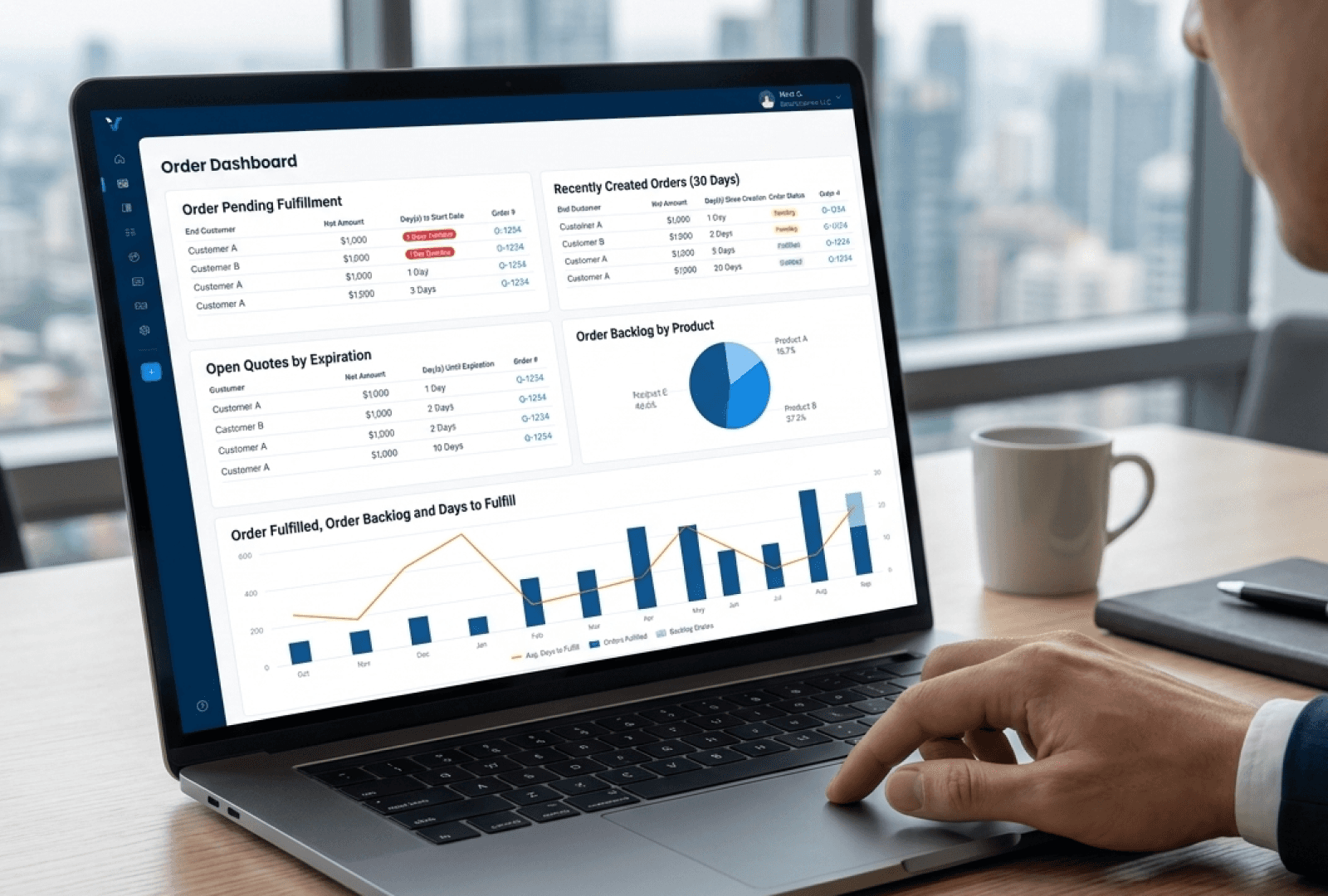
CRM CPQ (Configure, Price, Quote) is software that integrates with a CRM to automate how deals are built, priced, approved, and quoted. While CRM systems track pipeline and customer data, CPQ controls pricing logic, product configuration, approvals, and quote generation—ensuring deals are accurate before they ever reach finance or billing.
Most teams don’t realize they have a CPQ problem… until deals start breaking
Everything feels fine earlier in the sales cycle.
Pipeline looks healthy. Deals are moving. Forecasts look solid.
Then a deal gets close.
Pricing gets double-checked.
Approvals move into Slack/Teams.
Someone asks which version of the quote is final.
Finance jumps in before invoicing.
And suddenly, closing the deal takes more effort than it should.
That’s usually the moment teams start looking into CPQ.
They’re not out shopping for new software. They’re trying to fix a process that’s starting to break.
What CPQ Means in a CRM Context
CRM and CPQ are often grouped together, but they solve very different problems.
A CRM tracks the deal. CPQ is where the deal actually gets built.
Inside a CPQ system, reps:
configure products based on customer needs
apply pricing rules and discounts
generate quotes and proposals
trigger approvals automatically
When CPQ is connected to your CRM, all of that activity flows back into the opportunity.
Every pricing decision, change, and approval gets captured. That’s what takes quoting from something reps manage on their own to something the business can actually control.
CRM vs CPQ: What’s the Difference?
Here’s the simplest way to think about it:
CRM | CPQ |
|---|---|
Tracks pipeline and deals | Builds and structures the deal |
Stores customer and opportunity data | Applies pricing and product rules |
Forecasts revenue | Controls approvals and quote generation |
System of record | System of execution |
CRM tells you what’s happening and CPQ determines how it happens.
Without CPQ, CRM ends up tracking deals that are still being built manually in spreadsheets, PDFs, and Slack threads.
If you’re trying to understand how these two systems actually work together (and where most teams get it wrong), this breakdown of CPQ vs CRM goes deeper.
Why Companies Add CPQ to CRM Systems
Most teams don’t start with CPQ. They add it when quoting becomes a bottleneck.
At first, the process is manageable. A few products, simple pricing, basic templates.
Then complexity builds:
pricing changes more often
products are bundled together
discounts require approvals
customers want custom terms
And this is what the process turns into:
A rep builds a quote in a spreadsheet.
Sends it for approval in Slack.
Makes edits based on feedback.
Exports a PDF and sends it to the customer.
Then finance comes back with questions before invoicing.
Now multiply that across every deal.
This is where CRM alone starts to break down.
Without CPQ:
pricing lives in multiple places
reps create different versions of the same quote
approvals happen outside the system
finance has to double-check everything
And eventually:
contracts don’t match what was sold
invoices need to be fixed
reporting becomes unreliable
CPQ brings structure to this process. It centralizes pricing, standardizes quoting, and ensures every deal follows the same logic.
How CPQ Integrates with Salesforce and Other CRMs
CPQ sits alongside your CRM and plugs directly into your opportunity workflow.
Here’s what that looks like:
A rep creates an opportunity in the CRM
CPQ pulls in products, pricing, and configuration rules
The rep builds the quote inside CPQ
Approval workflows trigger automatically
Final quote data syncs back to the CRM
From there, everything flows downstream into billing, invoicing, and revenue systems.
This is where most teams either fix the problem—or make it worse.
If quote data doesn’t flow cleanly:
finance ends up fixing invoices manually
reporting breaks
customers get inconsistent contracts
The value of CPQ isn’t just speed. It’s making sure what gets sold is exactly what gets billed.
CRM CPQ Example: How It Works in Practice
Take a SaaS company selling into manufacturing organizations.
A single deal might:
include multiple products
span several plants or locations
involve different buyers and billers
require separate invoices per location
Without CPQ, this becomes a coordination problem. Reps piece together quotes manually. Finance interprets what was sold. Billing requires follow ups to get it right.
With CPQ integrated into CRM:
products and pricing are standardized
each location is tracked correctly
invoices align with the deal structure
revenue can be reported accurately
At that point, CPQ isn’t just helping sales. It’s aligning sales, finance, and operations.
Common Problems with Traditional CPQ Tools
Here’s where things get tricky. Not all CPQ tools actually solve these problems. Many solve one problem and quietly create three more downstream.
Legacy CPQ tools are often:
rigid and hard to update
dependent on developers or consultants
slow to adapt when pricing changes
So instead of fixing quoting, teams deal with:
long timelines to update pricing or packaging
low adoption from reps
constant dependency on technical resources
In many cases, RevOps owns the system, but doesn’t fully control it.
How No-Code CPQ Changes the Model
This is why more teams are moving toward no-code CPQ.
Instead of relying on engineering, no-code CPQ gives control back to business teams.
With no-code CPQ, RevOps and Sales Ops can:
update pricing and packaging
adjust discount rules
manage approval workflows
customize quote templates
All without writing code.
That changes how quoting works. Instead of being something you maintain, it becomes something you can adapt as your business evolves.
For teams with changing pricing models or complex deal structures, that flexibility is critical.
When Companies Should Implement CRM CPQ
CPQ becomes necessary when quoting complexity starts impacting revenue.
Common signals:
reps spending too much time building quotes
inconsistent pricing across deals
approvals slowing deals down
finance fixing errors after the fact
lack of visibility into deal structure
It’s not about company size. It’s about complexity. Once deals involve multiple products, pricing layers, or approval steps, manual quoting stops scaling.
Best CRM CPQ Platforms
There are several CPQ platforms on the market:
Salesforce CPQ
Deep Salesforce integration, but often complex and resource-heavyDealHub
Strong guided selling and proposal workflowsNue / Subskribe
Built for SaaS pricing and subscription modelsVendori
A modern, no-code CPQ built for SaaS and AI teams that need flexibility without long implementation cycles
The right platform depends on how complex your pricing is and how much control your team needs.
Want to See What Slow Quoting Is Costing You?
Most teams don’t realize how much time and revenue gets lost in quoting until they actually measure it.
The Real Problem Isn’t Quoting. It’s Everything That Follows.
Most teams don’t catch this early.
It creeps in over time. Deals take longer to close. Finance starts asking questions before invoices go out. Contracts don’t quite match what was sold, and reporting gets harder to trust.
At that point, it’s not really a quoting problem anymore. It’s how the entire revenue process is working.
And adding more spreadsheets or extra approval steps doesn’t fix it. It usually just slows things down even more.
The teams that get this right don’t just speed up quoting. They fix how deals are structured from the beginning so everything downstream works the way it should.
That’s what CRM CPQ is meant to solve.
The question is whether your current process actually does.
If you want to see what that looks like in practice, book a demo of Vendori.
Frequently Asked Questions
What is CPQ in CRM?
CPQ in CRM refers to software that integrates directly with your CRM to manage product configuration, pricing, approvals, and quote generation within the sales process.
Do I need CPQ if I already use Salesforce?
Yes. Salesforce tracks deals, but CPQ controls how deals are built, priced, and approved. Without it, quoting is often manual and inconsistent.
Is CPQ only for enterprise companies?
No. Any company with complex pricing, multiple products, or approval workflows can benefit from CPQ.
What’s the difference between CPQ and billing?
CPQ handles how deals are structured and quoted. Billing handles invoicing and payment collection after the deal is closed.
Written by Ethan Garonzik, CEO at Vendori
Ethan Garonzik is the CEO of Vendori. He founded Vendori after experiencing and managing complex sales processes at enterprise technology companies. Having served in multiple roles across finance and operations, Ethan most recently ran global deal desk and pricing teams responsible for over $3 billion in annual revenue. A builder at heart, he is focused on simplifying how modern B2B teams manage quoting and the broader quote-to-cash process.
Read more

Blog
The Quote-to-Cash Gap: Why Most CPQ Implementations Break After the Deal Closes
Learn what the quote-to-cash process is, where it breaks down, and why most CPQ tools fail after the deal closes. Plus how to fix it.

Blog
Sales Quote Automation: Why Manual Quoting Is Killing Your Sales Velocity (and How to Fix It)
Learn how sales quote automation improves accuracy, reduces approval delays, and speeds up deal cycles. See how SaaS teams eliminate manual quoting.

